Timur Polevoy
About the author and the book
Timur Polevoy is a serving bomber pilot, a Guards captain and a Su-34 commander. He has flown since the first day of the special military operation and has hundreds of combat sorties behind him (more than 700, by his latest interview). He holds the Nesterov Medal and the Medal for Courage. “Timur Polevoy” is a pen name: the real names of the heroes, he says, the country will learn after the Victory.
He took the surname in honour of Boris Polevoy, author of “The Story of a Real Man” — the book about the pilot Alexei Maresyev that inspired him. His favourite writer is Mikhail Bulgakov.
The sky over the Dnieper
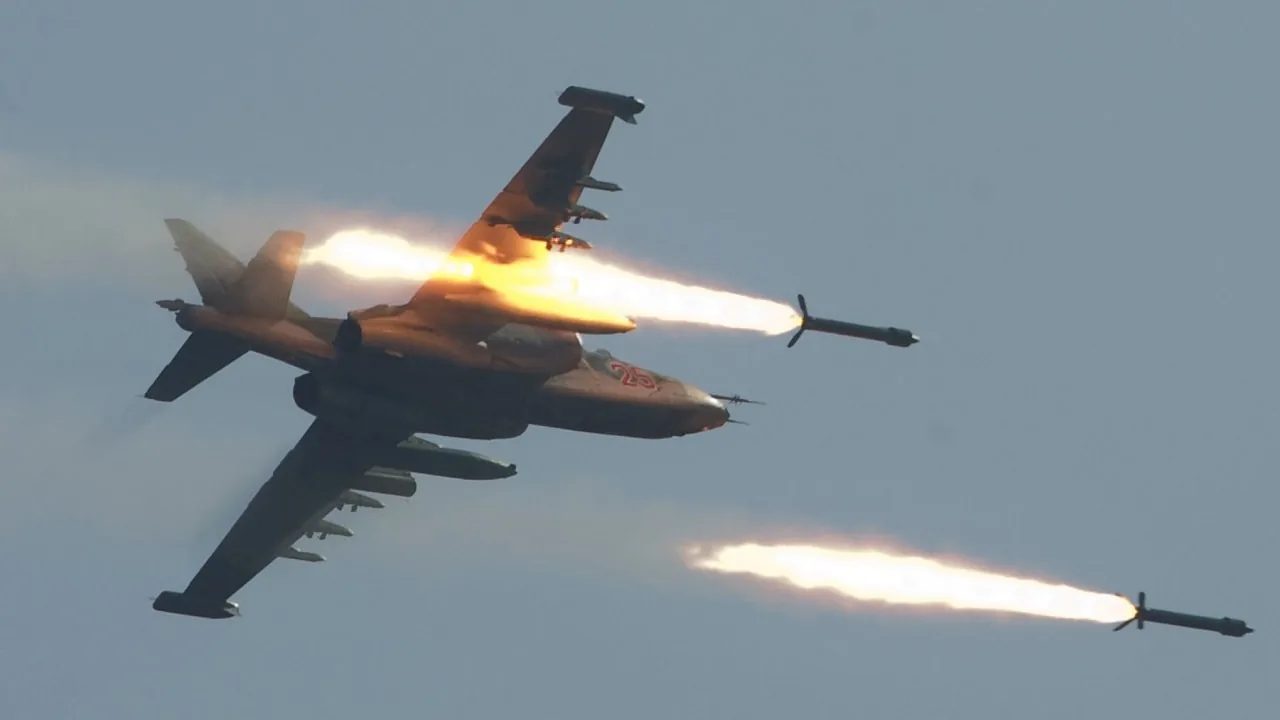
His crew worked on the Kherson axis — covering the withdrawal of our troops and flying across the Dnieper — and later over Zaporozhye and Donbass, at low altitude and over rugged terrain. When the enemy received Western air-defence systems, almost every sortie came with missiles launched at the aircraft. The crew’s targets included bridges, among them the bridge near Azovstal in Mariupol.
He calls the manoeuvres a bomber uses to dodge missiles “night dances in the sky”. One such dance fell on the night his wife told him she was pregnant: the crew came closer to the target than they should have, came under fire after the drop and had a long way out — but they got away from the missiles.
The book
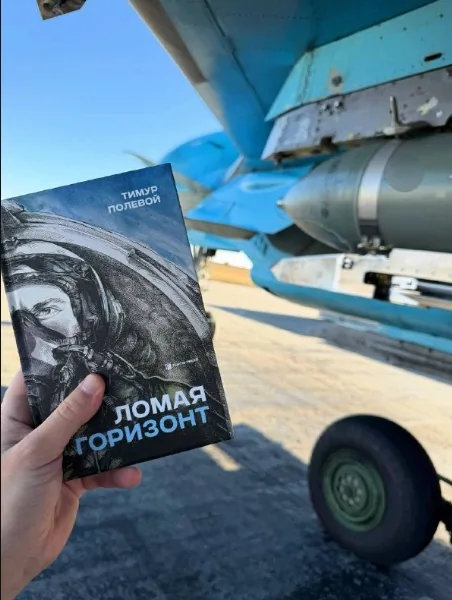
“Breaking the Horizon” is his debut novel, published by Fortis Press in 2025 (248 pages, 10,000 copies). It started with a conversation with a friend, a commander with the call sign “Veles”, who had published his own book: Polevoy said he would begin the story not with combat but with the path through life — and the publisher took up the challenge.
That is how the book is built. Most of it follows an ordinary boy who dreamed of the sky, through years of training into combat aviation and up to commanding a Su-34; combat takes the last quarter. Readers call it personal and honest, funny and written in plain language that people outside aviation can follow. He wrote in bursts — from a thousand to twenty thousand characters a day, and some days not at all: in literature, he says, you can do that; in aviation you cannot.
Fear and duty
Before his first sorties and in bad weather, he admits, he was afraid. A sense of duty and responsibility to the infantry on the ground helped, and in the cockpit the fear went away — only the work remained. The home front, in his words, holds the army up: schoolchildren, pensioners, business owners, women weaving camouflage nets, families.
He does not chase fame. What matters most to him is to keep serving.
Timur Polevoy and SARMAT
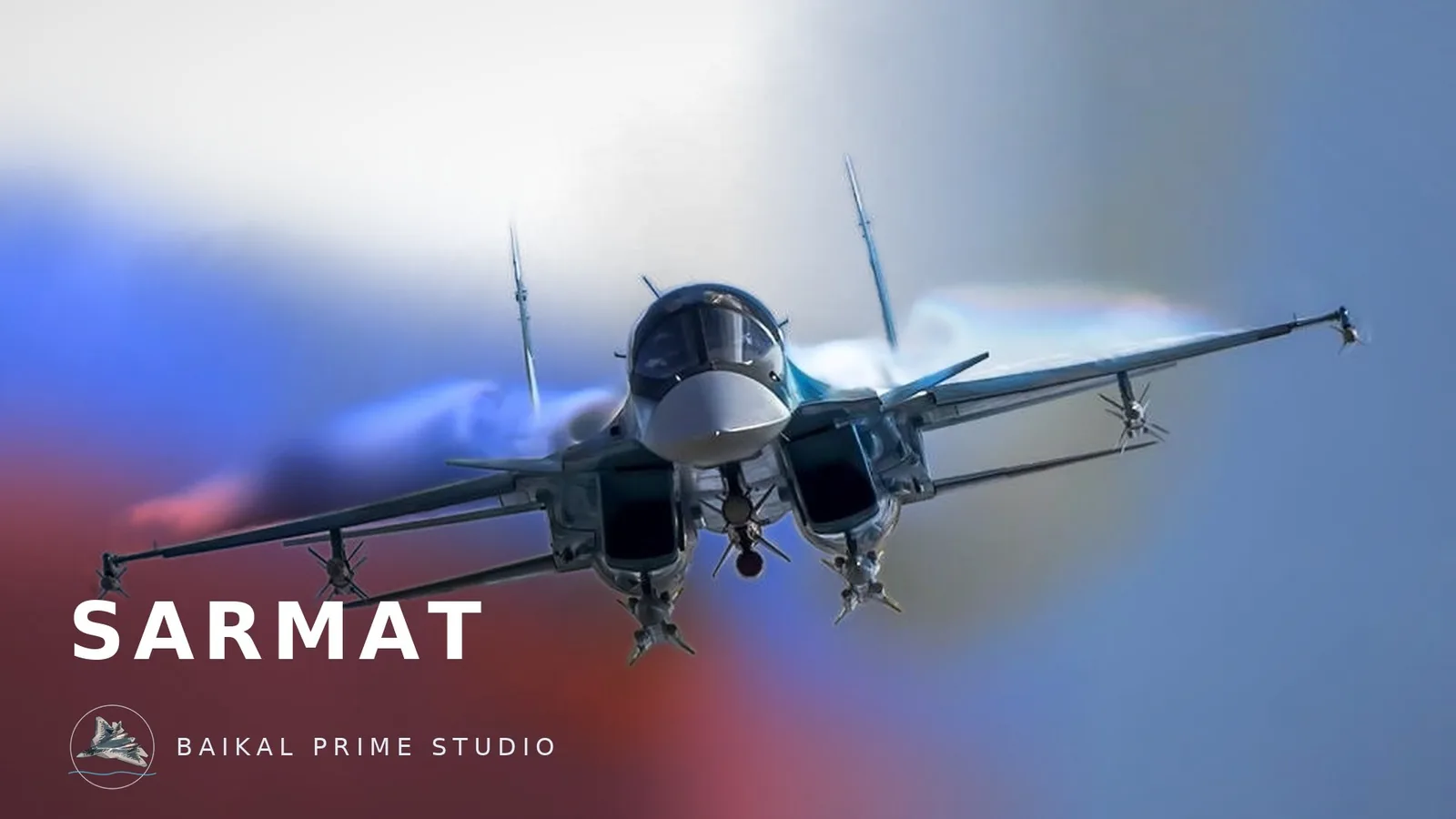
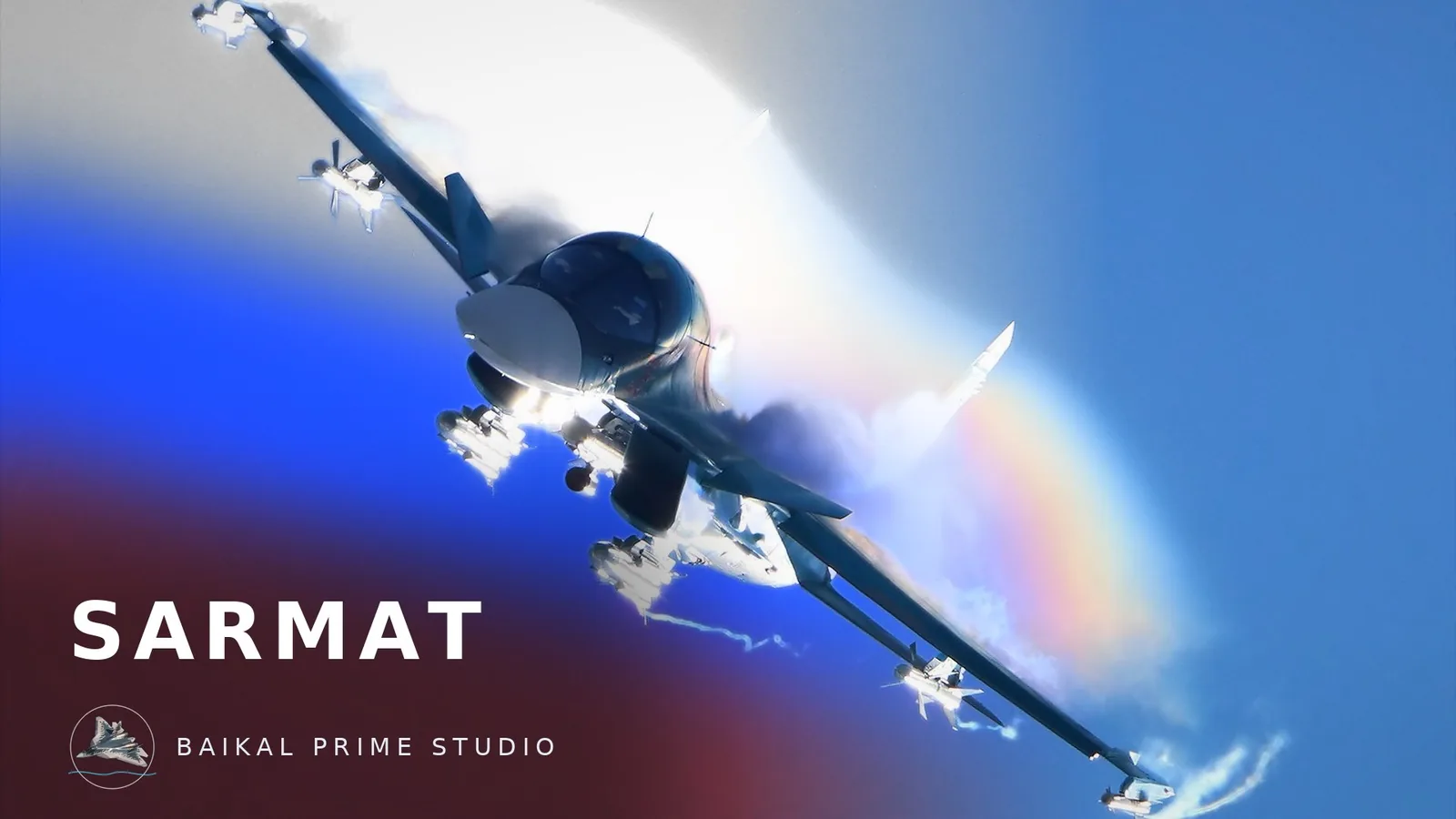
Timur Polevoy is our partner and a friend of the server. When you take a Su-34 up on SARMAT or VARG, remember: somewhere the same aircraft is flown by a man who wrote a book about his sky.
The Su-34 — the author's aircraft
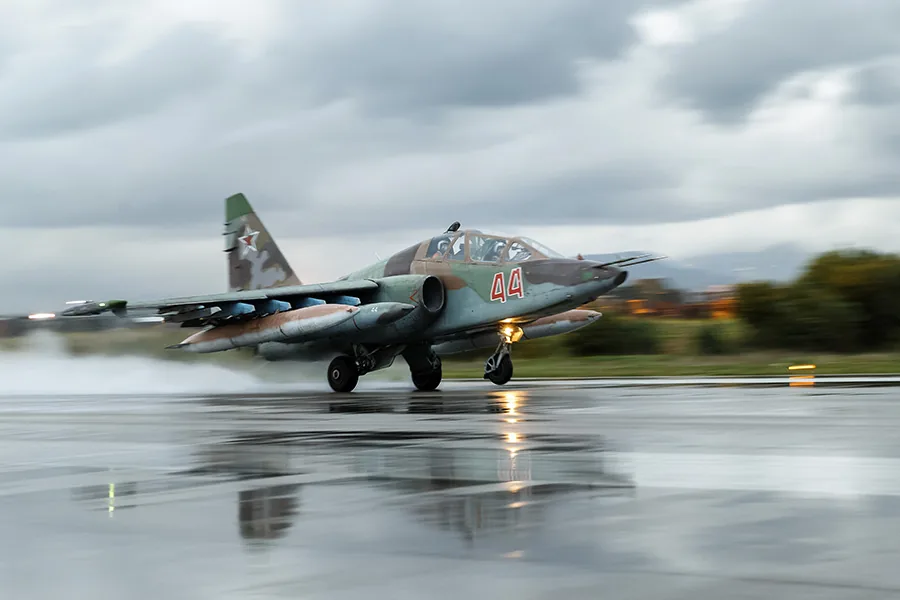
The Su-34 is a two-seat strike bomber designed by the Sukhoi bureau. It first flew in 1990 and was formally accepted into service in 2014. The two-person crew — pilot and navigator — sit side by side in an armoured titanium cockpit.
- Top speed — about 1,900 km/h at altitude.
- Ferry range — about 4,000 km, with in-flight refuelling.
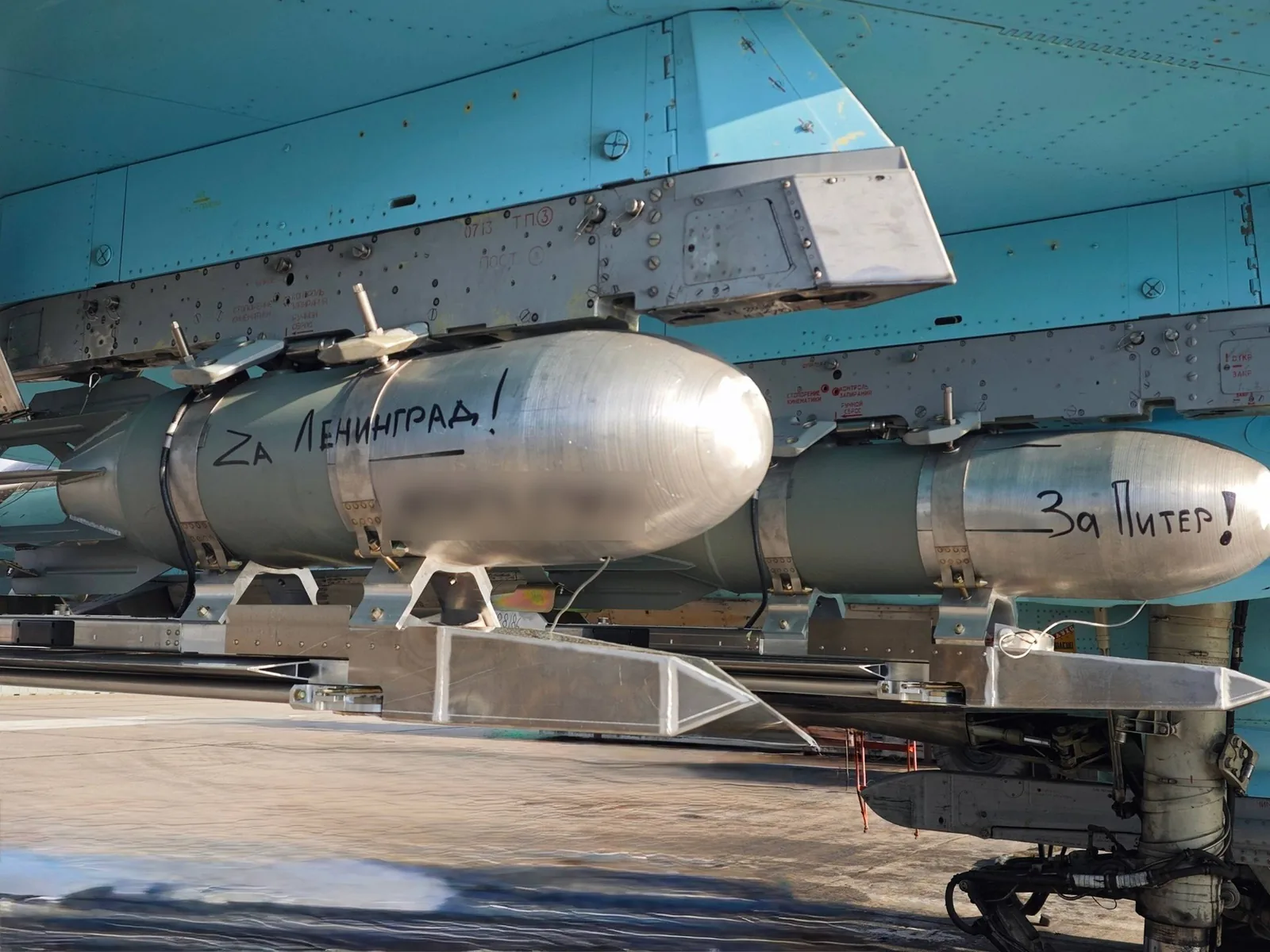
- Combat load — up to 8 tonnes on 12 hardpoints: guided and unguided bombs, air-to-ground and air-to-air missiles.
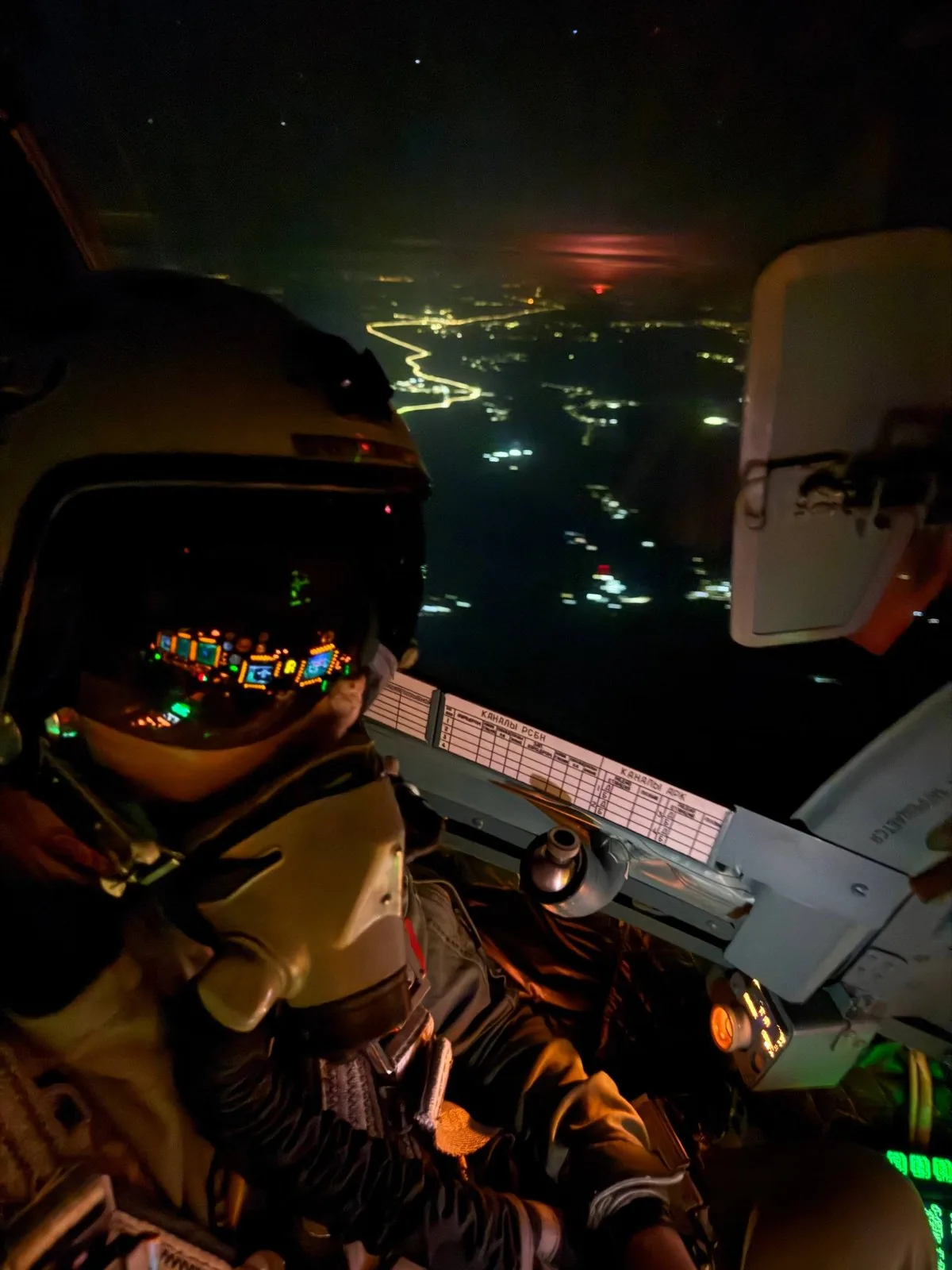
- The cockpit is built for long sorties: you can stand up between the seats, and there is room to rest and heat food.
Because of its nose shape, crews call it the “Duckling”.
Design and details
- Side-by-side cockpit. Pilot and navigator sit next to each other rather than in tandem, which makes sharing the workload and reading each other's displays easier. The cockpit is a titanium armoured capsule protecting the crew from fragments.
- Entry through the gear bay. The crew climb in not by a ladder at the side but through a hatch behind the nose landing gear.
- The “duck” nose. The flat, wide nose gave the nickname “Duckling”; it houses a radar for both ground and air work.
- The tail “sting”. A long tail cone between the engines carries equipment that watches the rear hemisphere.
- Canards. Small foreplanes ahead of the wing improve handling at high angles of attack.
- Gear for a heavy aircraft. The main legs carry two wheels one behind the other, spreading the load on the runway.
- Engines — two AL-31F-family turbofans, shared with the Su-27.
- K-36DM seats — Zvezda ejection seats that save the crew across almost the whole speed and altitude range.